© Matej Meza / Universität Bremen
100 Years of DAAD: Why International Exchange is Vital for the University of Bremen
Mandy Boehnke and Marejke Baethge-Assenkamp explain how the German Academic Exchange Service has shaped the university
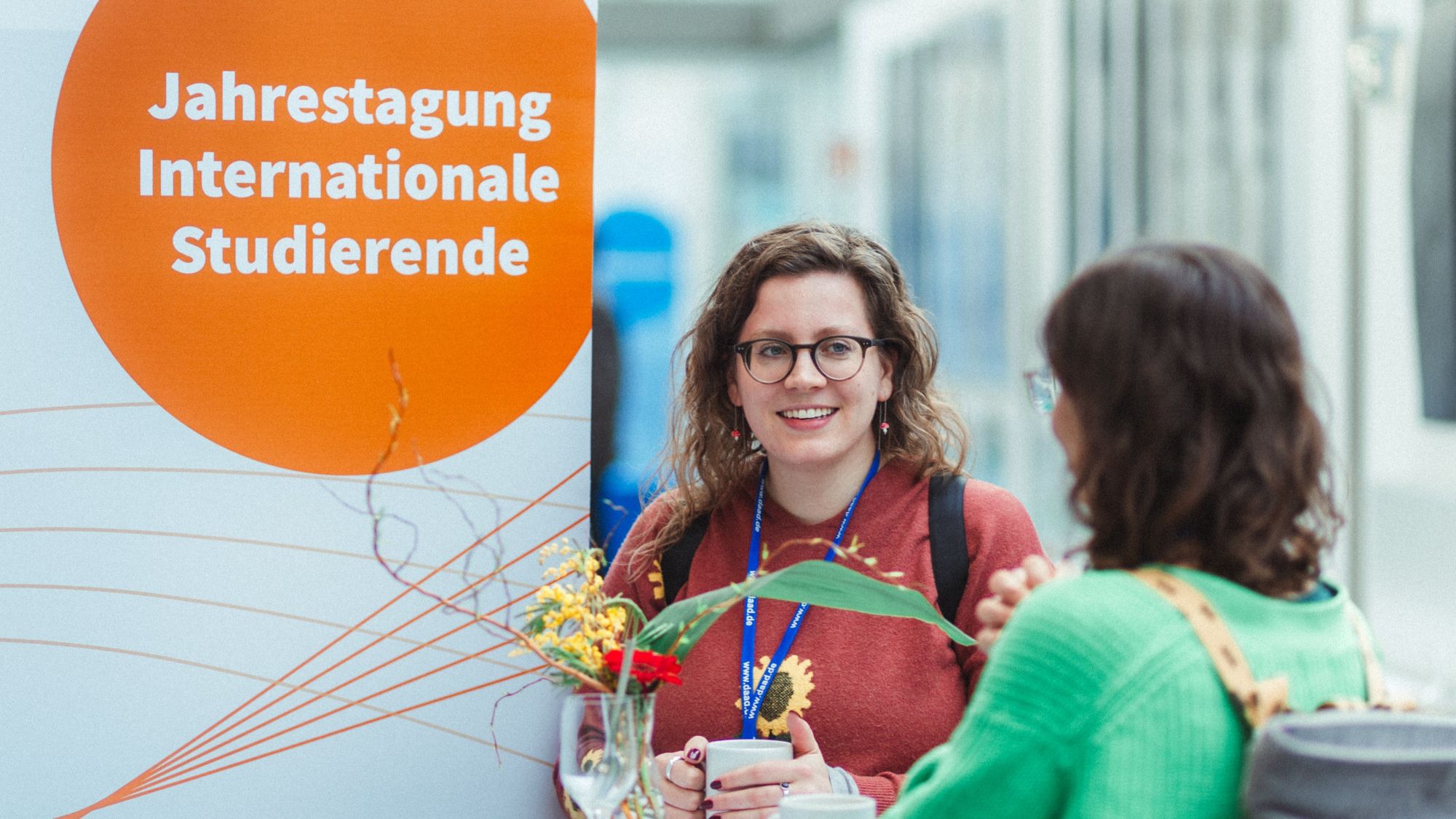
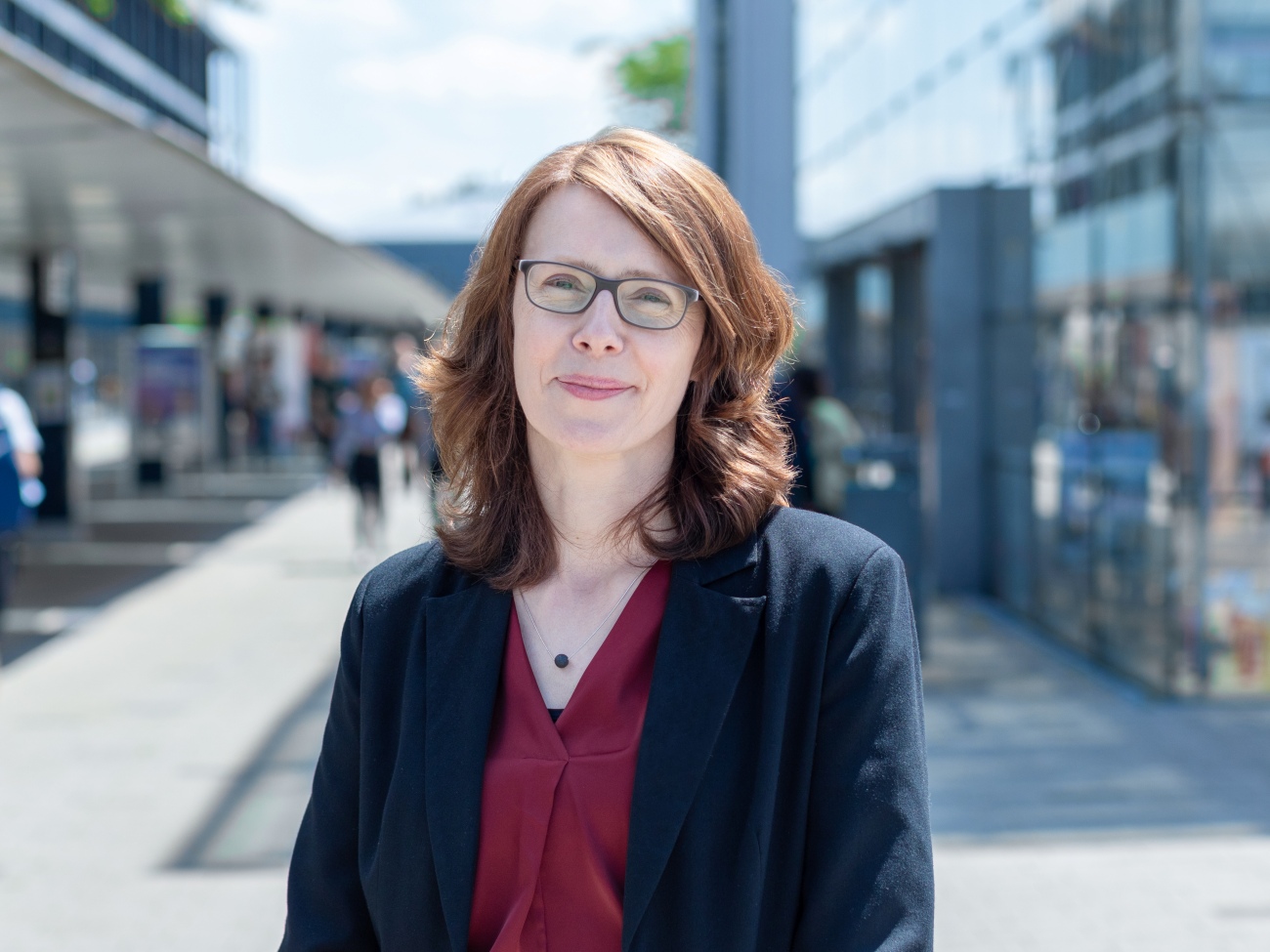
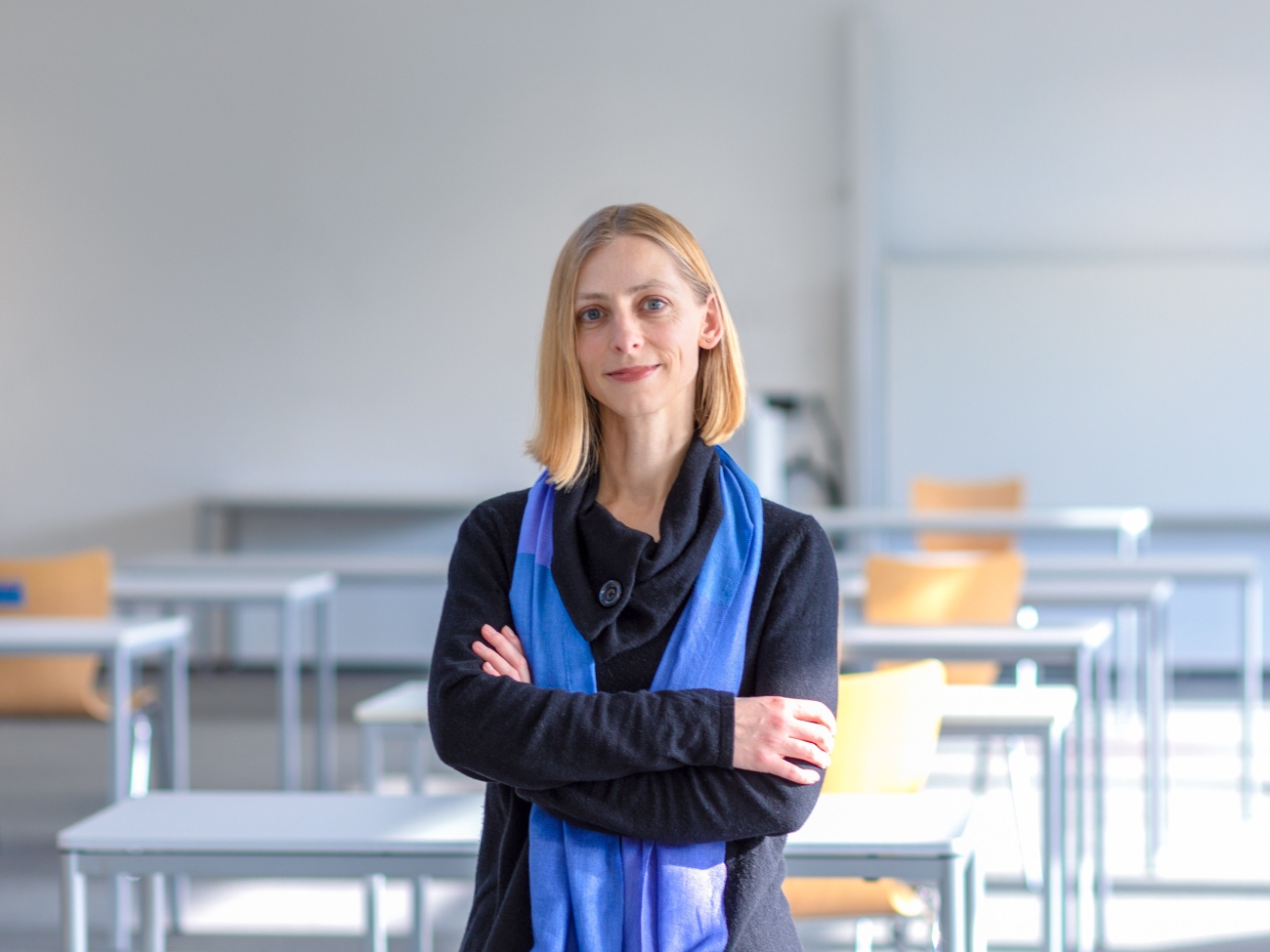
Student exchange programs, research collaborations, training in science policy –many of the University of Bremen’s international activities are possible thanks to the German Academic Exchange Service (DAAD). Two experts know in which ways the DAAD has shaped the university: Dr. Mandy Boehnke, is not only Vice President for International Affairs, Academic Qualification, and Diversity, but also serves on the DAAD Executive Committee. Dr. Marejke Baethge-Assenkamp heads the university’s International Office. In this interview, they talk about what the DAAD has to do with Bremen’s housing shortage, how it responded to Trump’s science policies, and their personal experiences with the organization.
Ms. Boehnke, Ms. Baethge-Assenkamp, how would the University of Bremen be different if the DAAD did not exist?
Marejke Baethge-Assenkamp: The university benefits not just financially, but above all, academically and culturally from the DAAD, and would be greatly diminished without it. Every year, the International Office acquires third-party funding for key initiatives from the DAAD, such as support programs for international students. Annually, we award the DAAD Prize to recognize the academic excellence and social engagement of international students. This year, we will be awarding the prize at the Christmas Jamboree on December 9.
The DAAD also enables us to forge and deepen partnerships with universities abroad. Through the DAAD’s Eastern Partnerships program, we are connected with universities in countries such as Kazakhstan and Armenia. It also helps us make our degree programs more attractive and internationally oriented; our master’s Program in Marine Biology, for example, benefits from the DAAD-funded postgraduate program support. An increasingly important aspect is the DAAD’s role in providing training. One example is the training on knowledge security in research cooperation. This training addresses how academic cooperation can take place with universities in countries where academic freedom is severely restricted, for example, China.
Mandy Boehnke: We also benefit enormously from the DAAD’s visiting lecturer programs and initiatives such as Lehramt International, which give our teacher education students valuable international experiences through diverse teaching and practice formats. And of course, networking with other universities and policymakers is a major part of the work of the DAAD.
© Matej Meza / Universität Bremen
What does this networking look like in practice?
Mandy Boehnke: The DAAD is a membership organization supported by over 240 universities across Germany. These institutions regularly exchange ideas on academic and higher education policy topics, and the DAAD’s leadership carries those concerns into the political sphere.
That still seems a bit vague. Can you give a concrete example?
Marejke Baethge-Assenkamp: International students and scholars often struggle to secure visas – procedures can be cumbersome and take a long time. Once they have succeeded with this, many then face the challenge of navigating Bremen’s housing market. Finding a room here can take months, which is the case in most university towns in Germany. We discuss these issues with our counterparts across Germany and in Bremen State, and use our voice within the DAAD to address them.
Mandy Boehnke: In practice, this means the DAAD identifies problems in visa procedures in particular countries, and raises the matter with the Federal Foreign Office at board meetings. On housing, the DAAD collaborated last year with the German Studierendenwerk (National Association for Student Affairs) to host an exhibition encouraging the federal and state governments, and university cities, to better support Studierendenwerk organizations in securing affordable accommodation. After all, affordable housing is key to attracting students both nationally and internationally.
© Matej Meza / Universität Bremen
What are key issues in the DAAD’s exchange with policy makers?
Mandy Boehnke: Funding is one of the main topics. The DAAD derives most of its budget from the Federal Foreign Office, the Federal Ministry of Research, Technology and Space, the Federal Ministry for Economic Cooperation and Development, and the EU. As the Executive Committee, we advocate for increased funding to maintain the internationalization of Germany’s higher education landscape. Global political developments also shape the DAAD’s work – such as the severe restrictions on academic freedom in the U.S. under the current administration.
One could argue that German universities might benefit from the fact that researchers and students from the U.S. are looking for alternatives…
Mandy Boehnke: The DAAD certainly has many programs for students, lecturers, and researchers who wish to come to Germany, including from the U.S. The focus is on collaboration and mutual support in academic exchanges. The goal is to attract international talent early in their careers, rather than on the targeted recruitment of U.S. academics.
Marejke Baethge-Assenkamp: Yes, exactly. Attracting students and researchers without poaching them is an important principle of the DAAD. We don’t have any international bachelor’s students at the University of Bremen who complete their entire degree on a full DAAD scholarship – such a scholarship simply doesn’t exist. The DAAD invites international students to Germany with the aim of fostering connection and mutual understanding for different perspectives and cultures, and not in an attempt to poach talent.
Have you, as a student or early-career researcher, also been able to benefit from the programs offered by the DAAD?
Mandy Boehnke: For me, DAAD support meant being able to attend international conferences, for example, in South Africa and France, during my doctoral and postdoctoral phases. These opportunities were not only exciting, but immensely enriching. To this day, I benefit from the networks I built while presenting my research to an international audience.
Marejke Baethge-Assenkamp: I became acquainted with the DAAD as a student. I was active in my university’s Erasmus initiative and spent several months as an intern at a DAAD regional office. I wrote both my master’s thesis and my doctoral dissertation about topics related to the DAAD while receiving DAAD scholarships – and in the process, built lifelong friendships in Kenya. In my work at the International Office, I’ve seen this repeatedly: DAAD programs don’t just strengthen academic exchange. They create friendships, partnerships, and sometimes even families. That, too, is part of the DAAD’s century-old legacy.