
© Eva-Maria Kulke / Universität Bremen
Bremen and Oldenburg University Broadcasting
Student perspectives on the early days of CampusRadio
When the project CampusRadio, which was launched in April 1994 by the University of Bremen and the University of Oldenburg in collaboration with Radio Bremen, went live, it was a unique institution in both the broadcasting and higher education landscape. Students were given access to a professional platform to gain hands-on journalistic experience and explore their creative potential. Over the course of seven years, CampusRadio impartially and independently reported on research, teaching, culture, politics, student life, and events on the universities’ campuses. up2date. spoke with former participants to explore how the project began and the lasting impact it left behind.
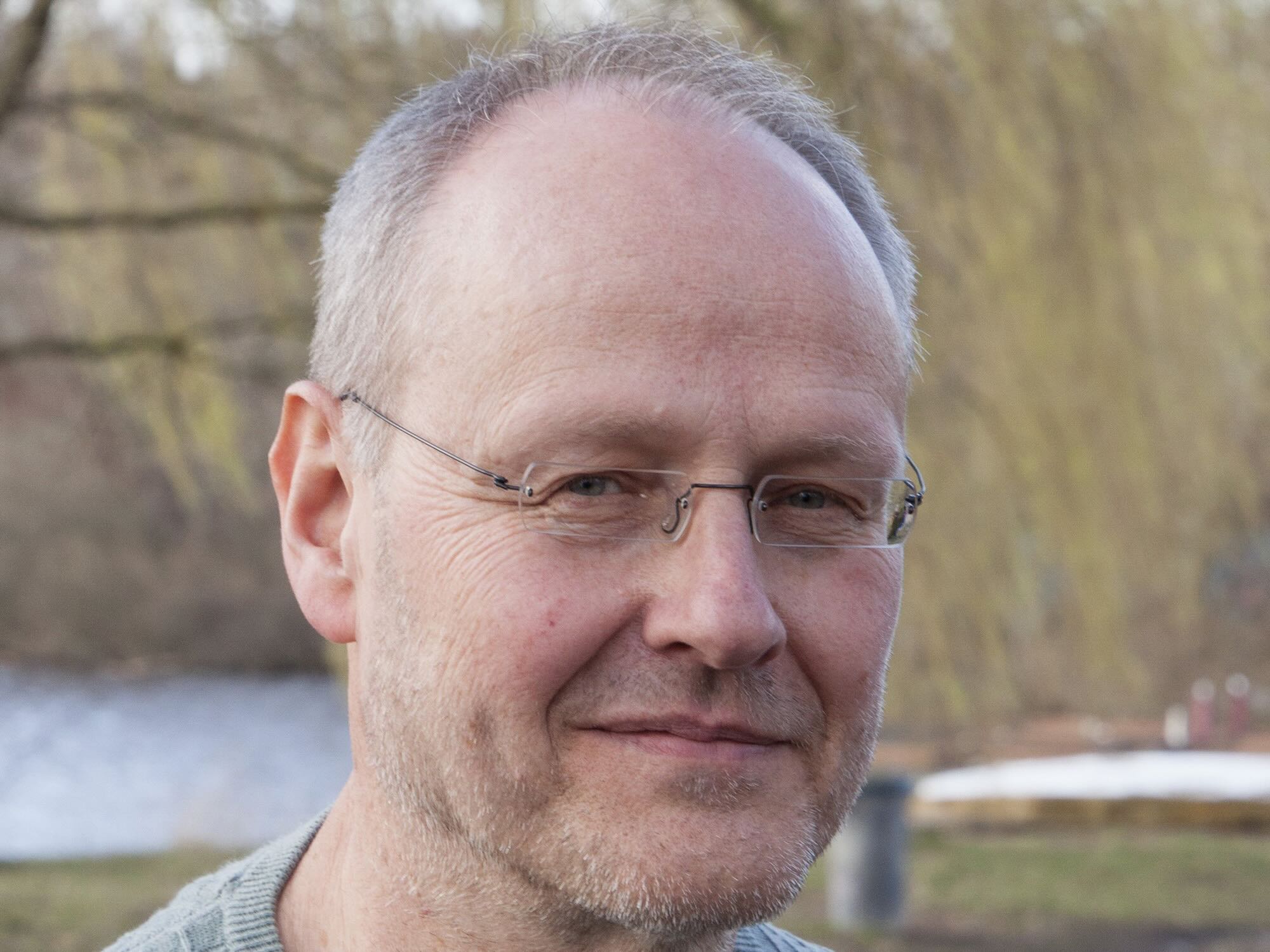
Sofie Buchwald and Dirks-Wawrzinek experienced CampusRadio from the very beginning when it began in April 1994 as part of a student course. Sofie Buchwald remembers the early live broadcasts on Bremen 2 vividly. “You had to tune in right at 7:10 p.m. because there was no way to listen to the broadcasts later.” While studying at the University of Bremen, she wanted to “do something with media” and this course offered the perfect opportunity. Andreas Dirks-Wawrzinek particularly appreciated the pleasant atmosphere when working with the press officers of both universities, Gerhard Harms and Eberhard Scholz, who were deeply involved in the project. They contributed research topics and campus news, and provided guidance and support to the students. Through them, he got to know researchers and in addition to content about science, he also produced a satirical sketch that really resonated with listeners.
Sofie Buchwald remembers producing segments about longing, student part-time jobs, campus art exhibits, and the “newfangled” internet. “We had a lot of artistic liberty to choose topics and roll with them,” she remembers. “Thanks to the ‘workshop-like’ atmosphere, we were often thrown into the deep end, but were entrusted with producing things that aired on public radio – that was truly special.” Andreas Dirks-Wawrzinek especially enjoyed the project’s semi-professional nature. “This gave us the chance to take the mostly theoretical concepts from our degrees and learn the tricks of the trade from experts. We had a professional structure, but also the freedom to experiment.” Editorial meetings took place at different locations, often in the university press offices, but sometimes informally in a student’s shared kitchen or a press officer’s living room. Harro Zimmerman from Radio Bremen provided recording booths, managed the equipment, and initially hosted the shows. He also was responsible for final editing.
© Andreas Dirks-Wawrzinek
The Journalist School Supports CampusRadio
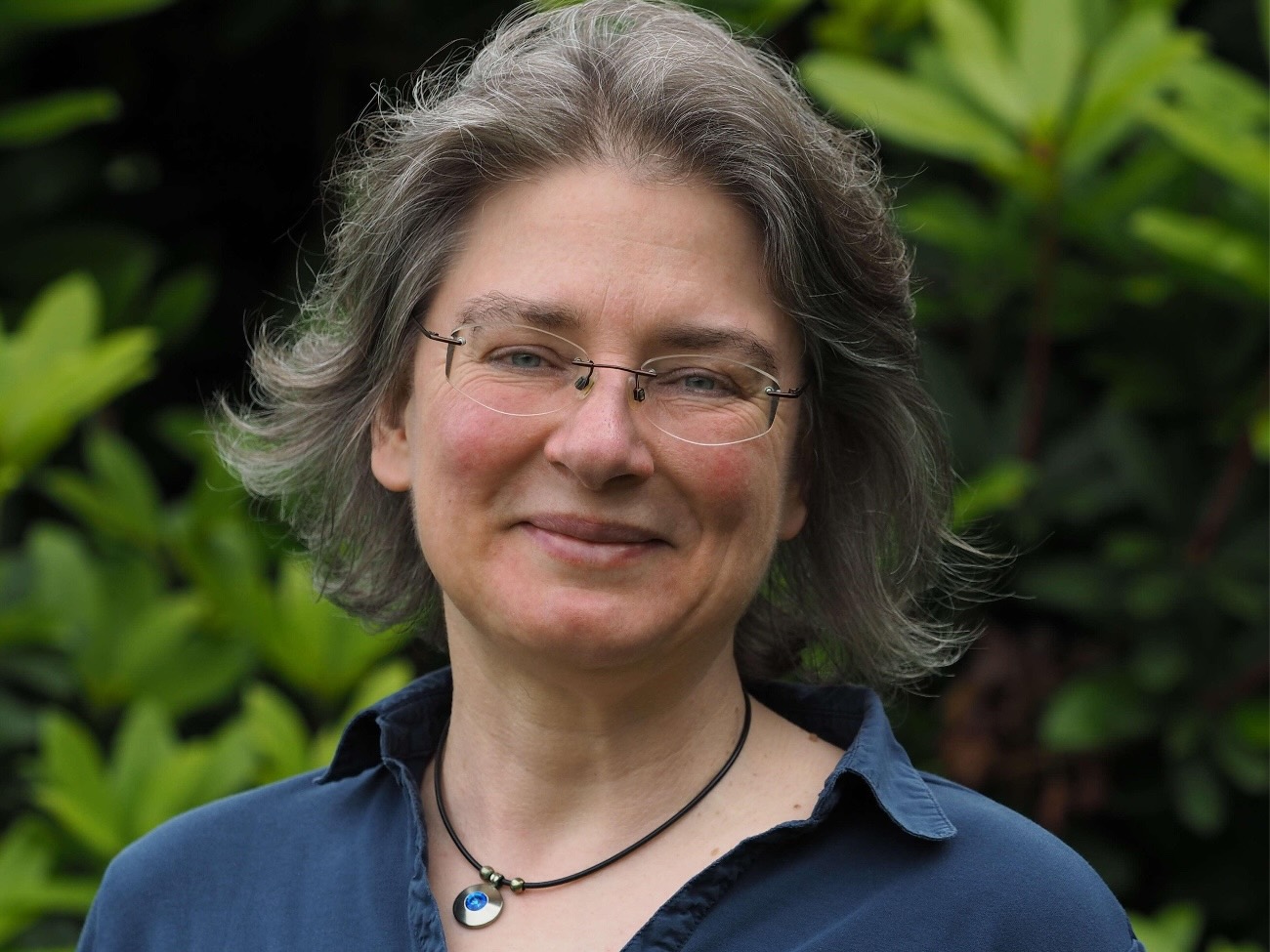
Motivated by his experiences at CampusRadio, Andreas Dirks-Wawrzinek applied directly after graduation for a newly founded, one-year advanced training program, the Journalist School, established at the University of Oldenburg in 1995. Led by director and screenwriter Roland Steiner, the program was designed for recent university graduates looking to pursue a career in the media industry. Right away, the program complemented the work of the student-run CampusRadio. Birgit Tillmann Köhler participated in the program in 1998 at the recommendation of the employment agency, and learned the theoretical and practical fundamentals of journalism – from research and writing to speaking and production – from experts in print, film, and radio. Soon, she was producing and hosting many of the CampusRadio segments. One particularly memorable piece was her interview with a tango dancer who also taught at the University of Bremen. A political refugee from Chile, he brought the 1973 military coup vividly to life for her. “I always enjoyed how the CampusRadio segments allowed us to learn so much and gain insights into so many different topics at both universities,” she recalls. Andreas Dirks-Wawrzinek praises the collaboration, “It was great to see the university landscape from dual perspectives. I found that incredibly productive.”
© Rieke Oehlerking
Skills and Connections for the Future
Looking back, all three agree that their time at CampusRadio was invaluable. Birgit Tillmann Köhler secured a traineeship immediately after the program, laying the foundation for her career as a journalist – largely thanks to the experience and contacts she gained during her time at CampusRadio. This time was also a springboard for Andreas Dirks Wawrzinek’s professional life; directly after completing the training program, he found a job. Sofie Buchwald acquired skills during her time at CampusRadio from which she profits to this day in her freelance work as a copywriter. “All of the soundbites we collected by going around campus with a microphone helped me to overcome my fears of approaching and talking to people. Having to organize things ourself was very valuable for me,” she reports. All three not only benefit from the skills gained, but also from the friendships formed during their time at CampusRadio, some of which still exist today.
The End is a New Beginning
After Radio Bremen was taken off the air in 2001, the joint CampusRadio project ended after seven years, but the idea lived on. At the University of Bremen, this initially led to a second campus radio station as part of a project module in Faculty 9: Cultural Studies, which continued the collaboration with Radio Bremen and had a stronger student-driven character. It later evolved into the Institute for Media Studies’ cross-media online magazine “krosse.fm,” which remained active until 2021. The University of Oldenburg established its own campus radio station that continues to broadcast on the first Thursday of each month at 6 p.m. on Oldenburg Eins.
CampusRadio is a good example of how inter-university collaboration, creative freedom, and hands-on training provides students with not only media skills, but also a network and career prospects, while producing a lot of great stories.