
© Leona Hofmann / Universität Bremen
“I’ve always wanted to dance.”
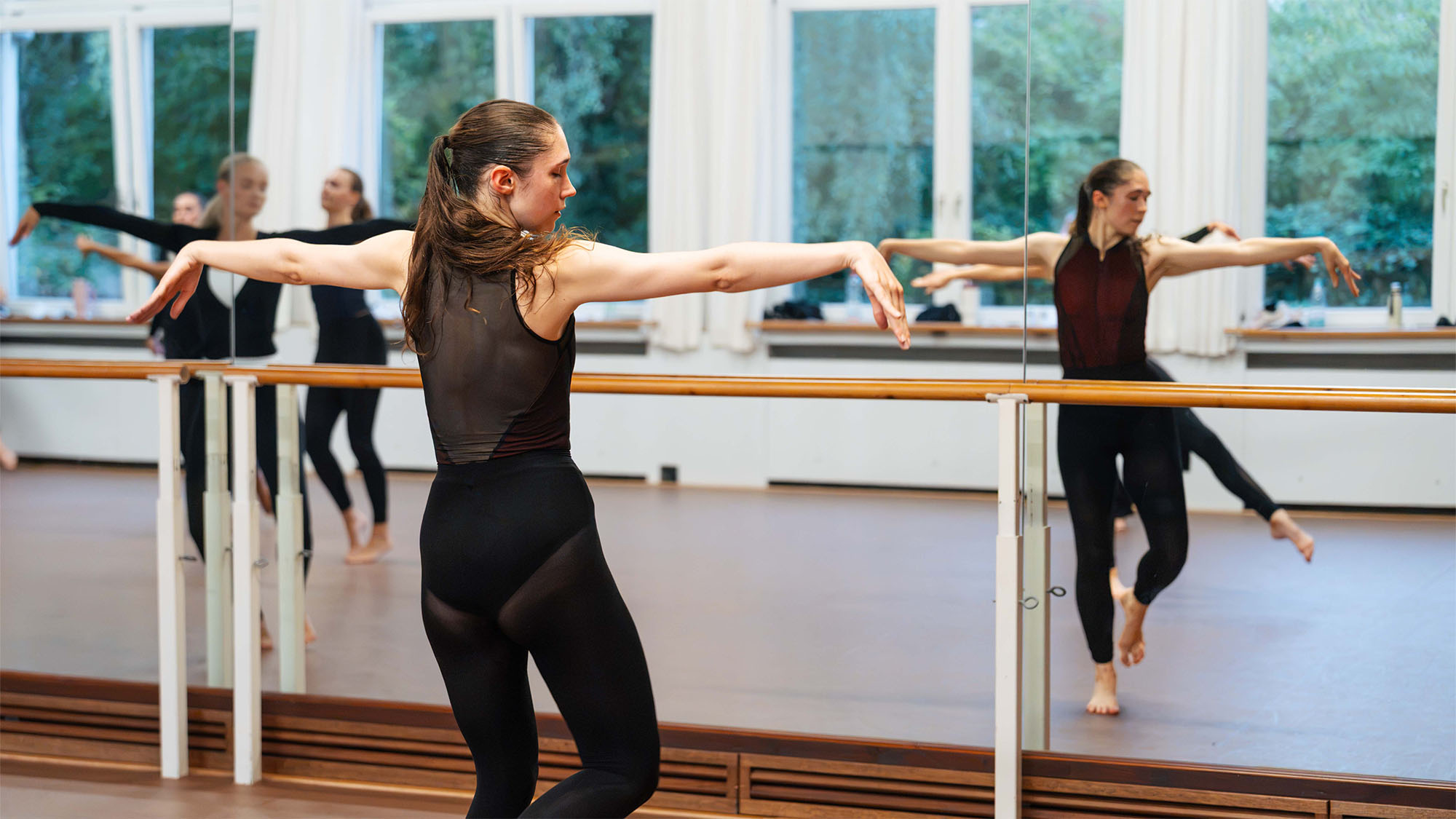
Alexa Voß shares how she balances a university degree with competitive sports.
Twenty-two-year-old Alexa Voß is in her third semester of a Digital Media bachelor’s degree at the University of Bremen. She competed with her dance group at this year’s Dance World Cup Finals in Dublin. In an interview with up2date., she discusses how she balances her degree with her passion for dancing.
What does a typical day of university and competitive dancing look like for you?
I live and dance in Bremerhaven, but am studying in Bremen. I usually sign up for morning lectures so that I can be back in Bremerhaven in time for training. Fortunately, attendance isn’t usually mandatory in my program. The courses that required attendance were held on days when I didn’t have training, so that’s worked out well so far.
Last semester, I took early morning math classes. That meant waking up at 5:00 a.m. to make it to class by 8:00 a.m. My university schedule ended at 4:00 p.m. Depending on whether the trains were on time, it could get stressful when training began at 6:15 p.m., since I sometimes only had a few minutes to catch the train. Missing the train or it being delayed is a big problem during the competition season. It can mean that I’m late to training, so I have to ask others to film the changes and send them to the group. Then, I have to practice everything on my own afterward.
I schedule meetups with friends on weekends since I have more free time then. Sometimes I’m lucky enough to have a day or two without appointments in a week. I can see my family then, either when I’m at home, or on the weekends.
How did you get into dancing?
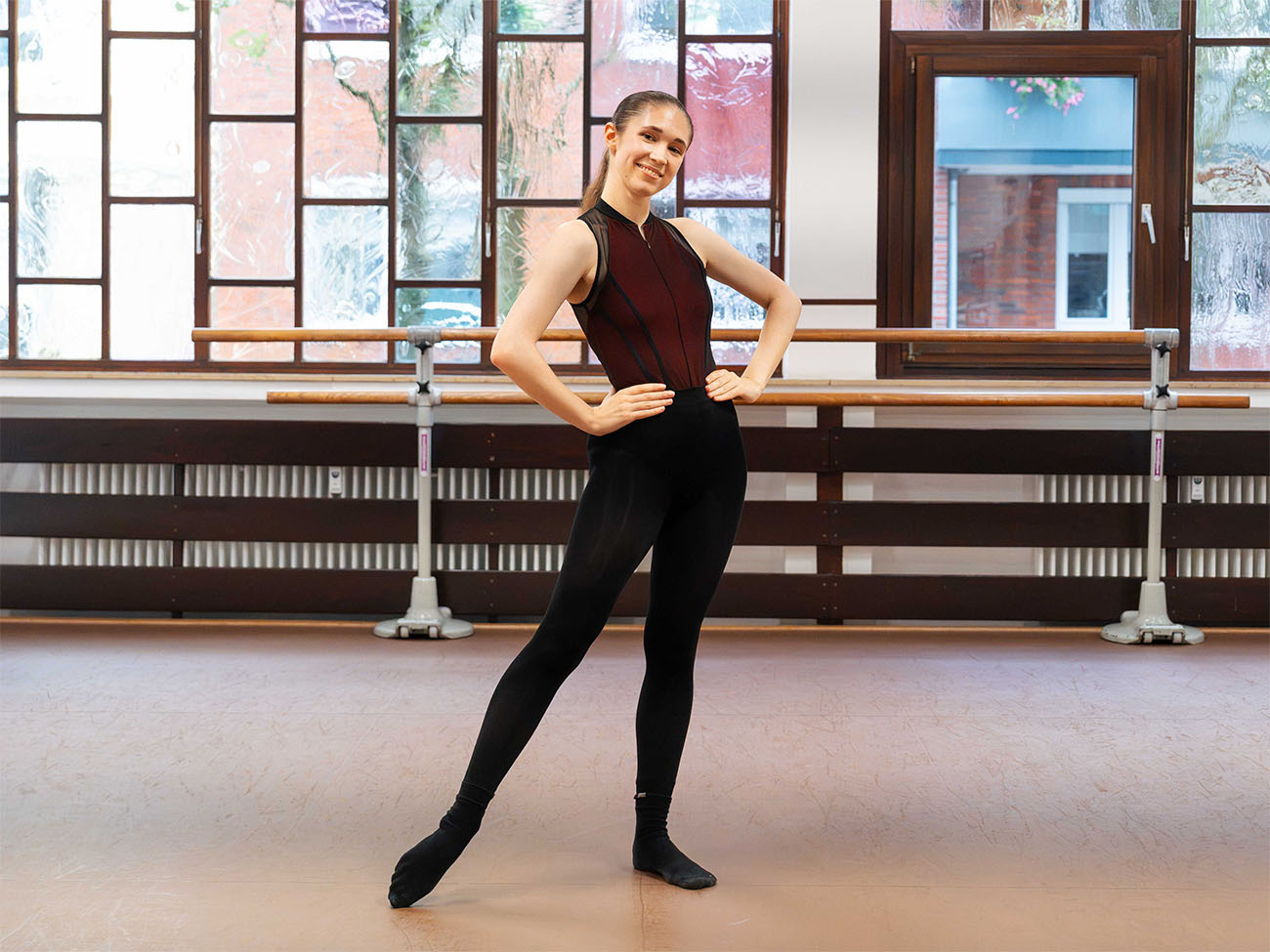
Dancing has always been my dream, and I’m not going to let that go. I started when I was six, and I’ve been doing it for sixteen years. I went to a smaller dance school for a year, and then someone recommended the Tanz-Etage in Bremerhaven. I currently take classes in ballet, modern dance, jazz, and tap. We also do commercial dance and heels dance, which involves wearing high heels. We have a set schedule for all of this.
© Leona Hofmann / Universität Bremen
What does your current training schedule look like?
Our trainer creates the schedule. It changes depending on how much time we have before the next competition. For example, we might swap modern dance for jazz. Right now, I’m doing six hours of training – three times a week. Sometimes that spills over into the weekend. Since several people in my age group are studying or working, our trainer plans around our availability. Weekend training usually takes place in the morning for two hours, but sometimes it’s even longer.
You took part in the World Dance Cup Finals in Dublin this year. How did your preparations go, and what did participating mean to you?
I wasn’t able to sign up for many university courses last semester because of the finals; there wouldn’t have been enough time. Fortunately, in the courses I did take, we didn’t have exams, only essays and project work. So far, it’s gone well, and I haven’t needed any counseling or support services from the university to help me structure the semester. Still, last semester was both stressful and exciting. It was also the first time I’d ever flown abroad.
Competing against the entire world in finals is very different from competing in the qualification round in Germany. After qualifying, we went into even more detail. We call this “polishing the dances” – that is, making sure our heads and hands are in the right position. We went to the world championships with the same dances – the jazz dance “Zoot Suit Boogie,” the tap dance “Mr. Pinstripe Suit,” the showstopper “Sail with Us,” and “Think Big” as the commercial routine.
Everyone has a different way of preparing at a competition. Some just listen to the music, while others go through the dances in their heads. I like to dance through the entire sequence one last time beforehand.
Unfortunately, we didn’t receive a medal in Dublin – the competition was too strong. But I placed seventh, tenth, eleventh, and twenty-first with my group. There were up to 36 competitors in each category. That is a great achievement and made me very proud.
© Leona Hofmann / Universität Bremen
Do you have a favorite choreography?
Personally, I really like our “Mr. Pinstripe Suit” dance. That’s the tap dance we performed at the competition in Dublin. It’s exhausting after a while, but I love the music.
What suggestions do you have for others who want to pursue both competitive sports and a degree?
I’d suggest registering as a competitive athlete with the university. That gives you extra help with your class schedules and making arrangements with lecturers if you’re not there during the exam period. I’m very grateful that everyone has been so helpful and accommodating – both lecturers and trainers.
Do you have additional goals or plans?
My athletic goal is to keep dancing for the rest of my life. Next year, we plan to participate in the Dance Unit in Austria, and also put on our own show. Typically, a dance school is a performance school, meaning they have regular public performances for sponsors or at the Bremerhaven City Theater. Competitions were added as a sort of “reward” after the pandemic, since we couldn’t dance together in person during that time. I can share that we’ll perform the “Sail with Us” choreography for Bremerhaven’s 200th birthday – the same one we performed exclusively in 2025 as ambassadors for SAiL.