© Universität Bremen/Leona Hofmann
Networking, Knowledge Transfer, and New Research Impulses
Ten years of the U Bremen Research Alliance
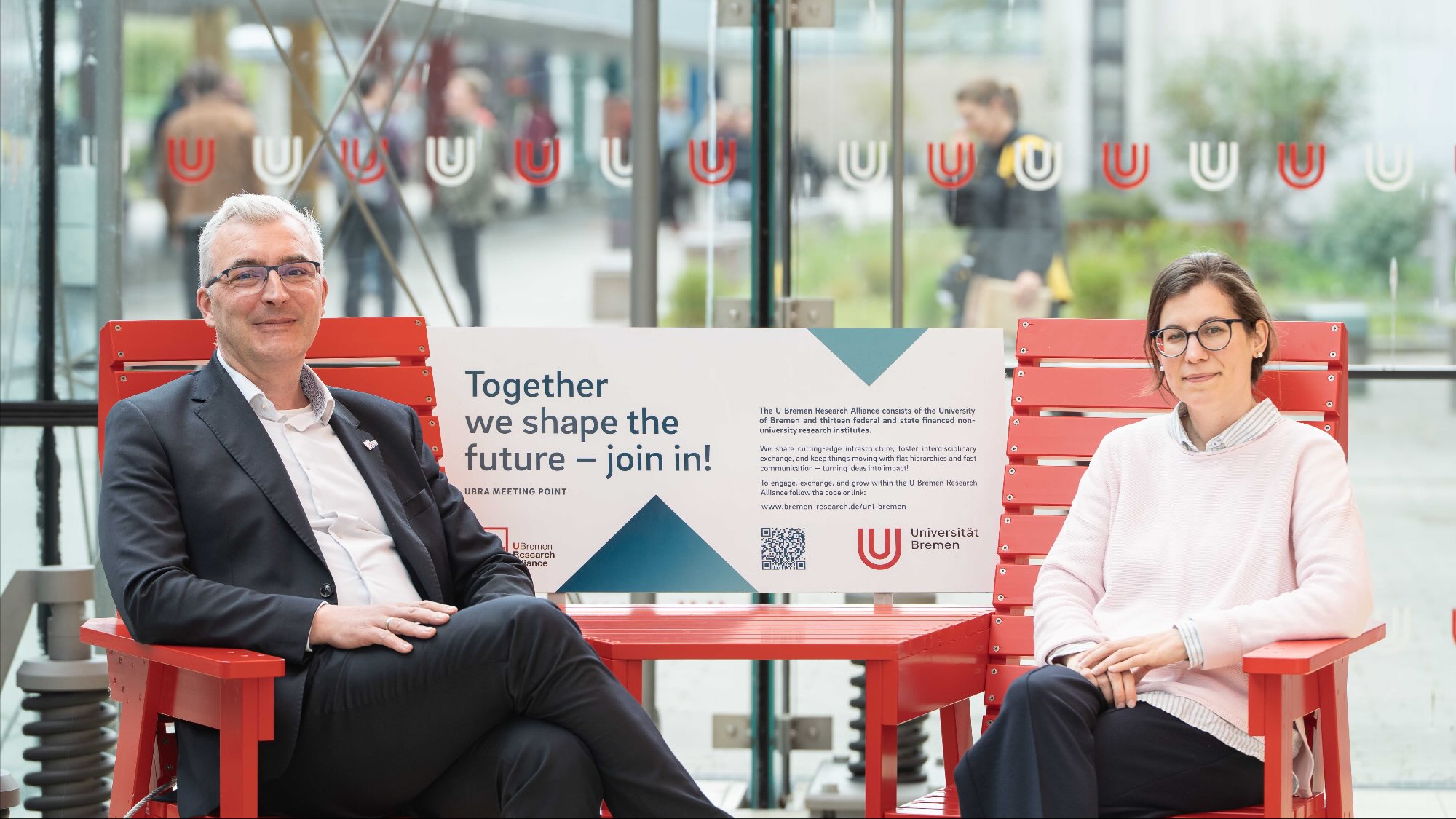
Since 2016, the U Bremen Research Alliance (UBRA) has connected the University of Bremen with what are now thirteen non-university research institutes. Through networking, joint training programs, and collaborative projects, the alliance has strengthened Bremen as an internationally visible and highly cooperative research ecosystem in northwestern Germany. On the occasion of its tenth anniversary, up2date. spoke with Managing Director Derk Schönfeld about the development and future of the research alliance.
Mr. Schönfeld, Bremen is considered one of Germany’s strongest research hubs. What distinguishes the location, and what role does the U Bremen Research Alliance play?
Bremen stands out for its comparatively high density of university and non-university research: thirteen institutes funded jointly by the federal and state governments, along with additional state-funded research institutes and universities. What makes the region special is the close network among these institutions, which together form a shared research landscape focused on clearly defined strengths such as marine, polar, and climate research, materials science, health sciences, and “Minds, Media, Machines.” This network is no coincidence. It is the result of a deliberately cultivated collaboration featuring fast communication channels, efficient decision-making processes, and a high degree of interoperability across institutions. The U Bremen Research Alliance plays a central role here. It is the cooperative network of the University of Bremen and the non-university institutes that aims to provide the best possible conditions for creative, independent, and collaborative research. As a coordination and networking platform, it drives joint initiatives and increases Bremen’s visibility as a science hub. In this way, it translates geographical proximity into actual collaboration.
The U Bremen Research Alliance was founded ten years ago. What idea originally inspired the alliance, and what goals did it pursue?
The idea emerged from the University of Bremen’s successful application in the 2012 German Excellence Initiative. At the time, the university positioned itself with an ambitious concept: “We are more than a medium-sized university – we are a research ecosystem.” This vision was further reinforced through cooperative junior research groups and bridge programs. When the university received the title “University of Excellence,” collaboration with non-university partners was systematically expanded.
In 2016, the next logical step followed with the creation of a formal, university-led alliance. The central goal was to improve the overall conditions for research and teaching and to make research easier, better, faster, and more independent.
What has the alliance changed for researchers in Bremen?
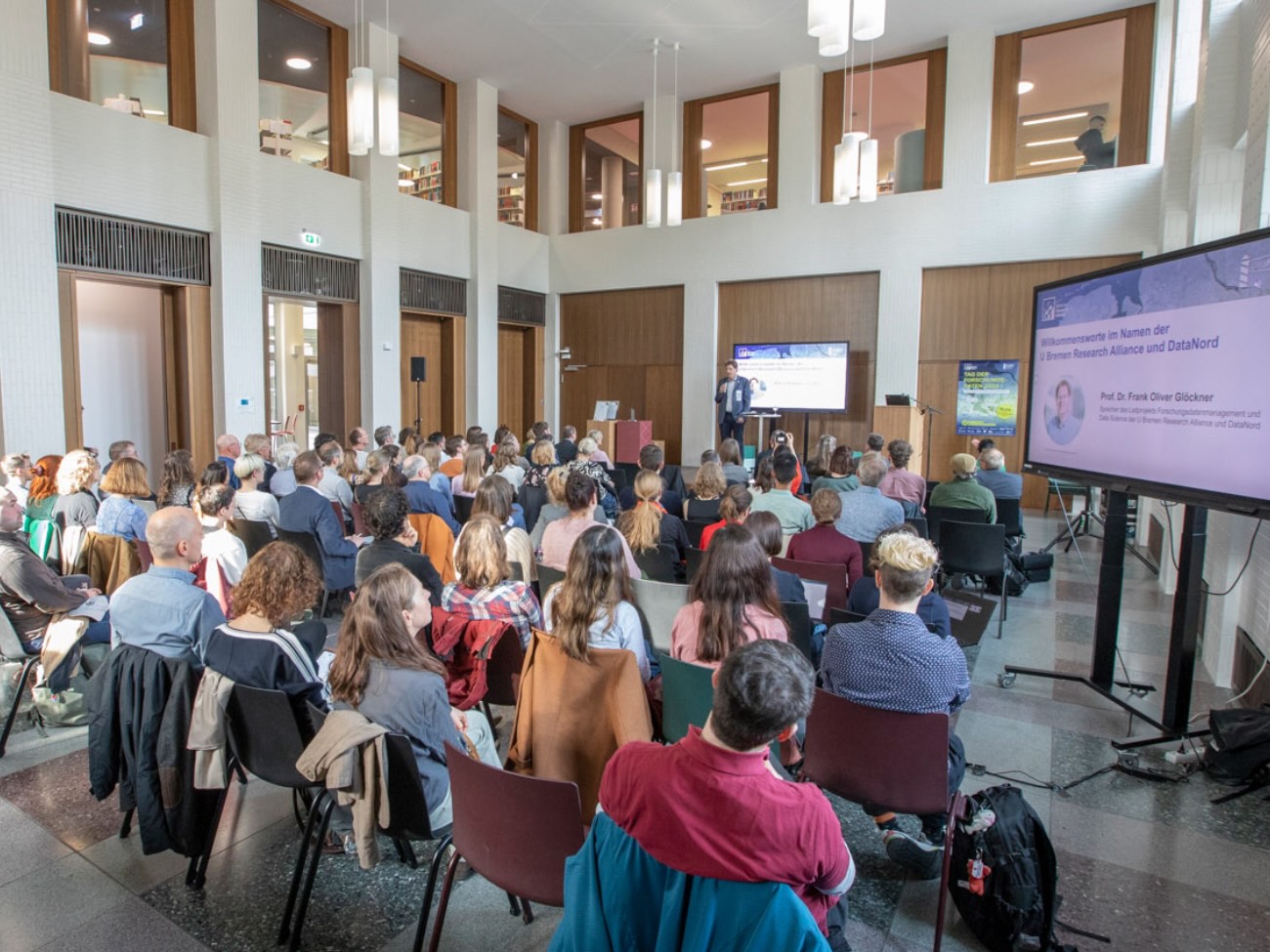
The alliance has brought noticeable improvements in three main areas: cross-institutional collaboration, shared career and qualification opportunities, and support structures for researchers who are new to Bremen. One strong example is Data Train, which is coordinated by the alliance and supported by members across institutions. It bundles structured training in research data management and data science, and is free of charge for doctoral candidates and researchers. Another example is the flagship project on Artificial Intelligence in health research, a strategic field of the future that is being advanced jointly across Bremen. Here, UBRA not only coordinates the exchange of ideas, but also initiates and supports collaborative research projects.
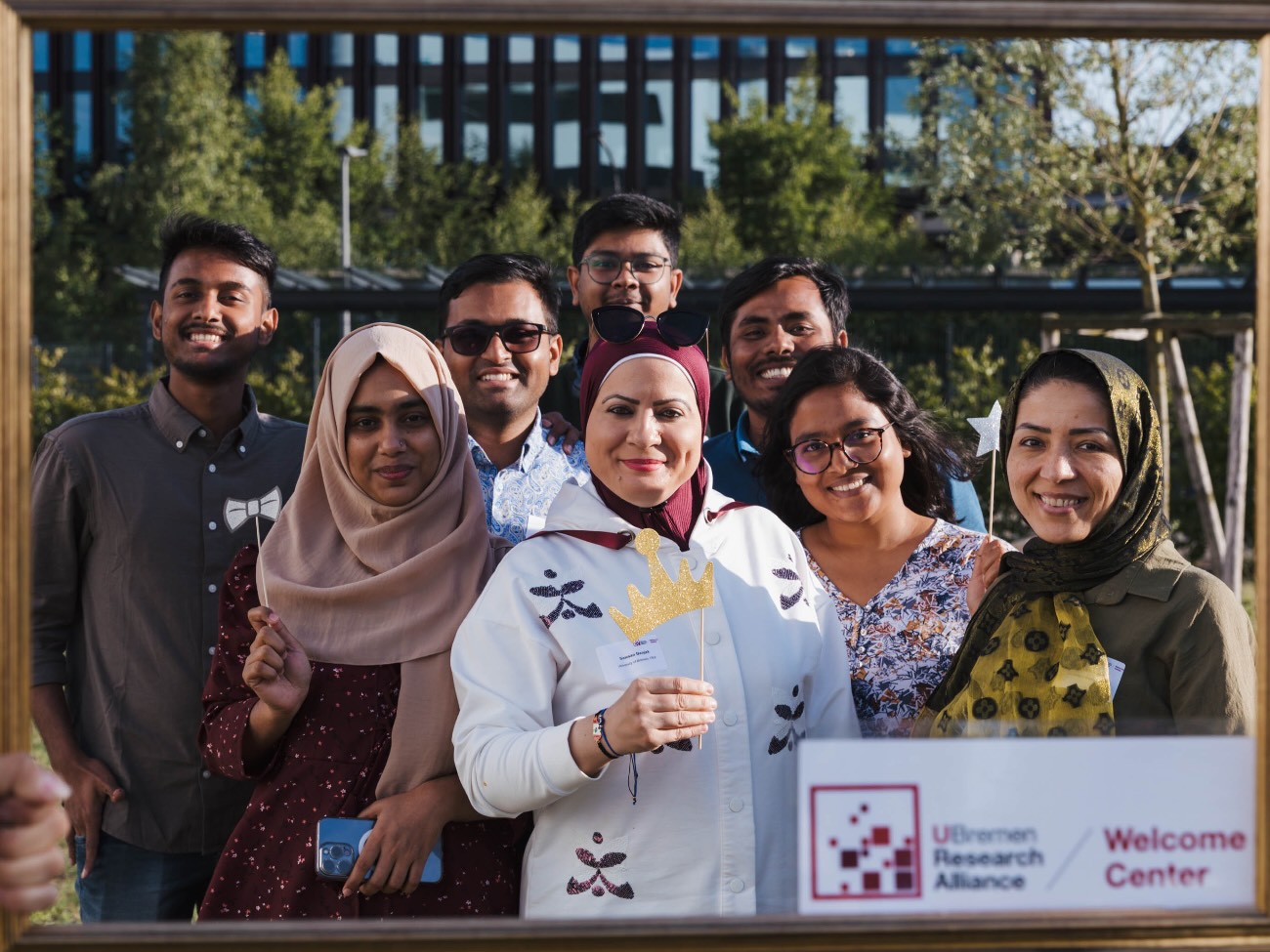
The alliance has also created a shared job platform that brings together all academic positions in Bremen. As a result, researchers no longer operate within only one institution, but within a shared working and career space with much broader opportunities. This allows us to organize exactly the services that are needed and from which every member benefits, regardless of size or financial resources. Together with the university’s EU advisory service, UBRA also offers workshops such as “How to Write Competitive Proposals for Horizon Europe,” supporting researchers in securing external funding. Very practical improvements come through the U Bremen Research Alliance Welcome Center, which offers centralized support for researchers arriving from Germany and abroad. Its services range from advising to social activities such as the “Café International” and summer events. Researchers arriving from outside the European Economic Area also receive assistance with visas and residence permits. The Welcome Guide, an interactive online tool developed collaboratively by all member institutions, provides tailored information on relocation, work, family life, and integration in Bremen. This makes Bremen more attractive and helps researchers and their families settle in smoothly.
Across all of these activities, one principle applies: We organize and prepare initiatives that benefit every member institution and its employees. This leads to projects that one institution alone might not be able to get off the ground. Together, more is simply possible.
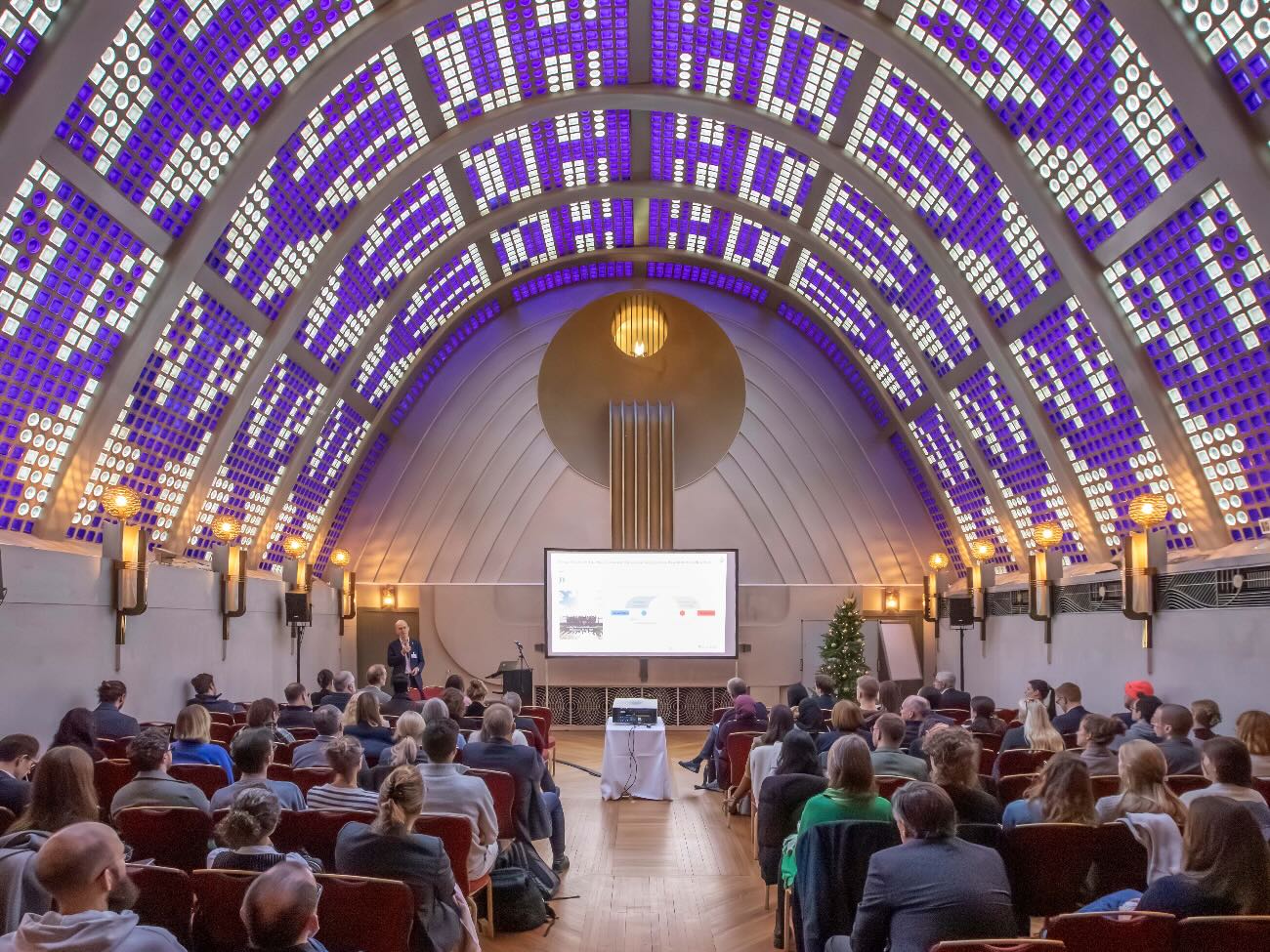
© Jens Lehmkühler / U Bremen Research Alliance
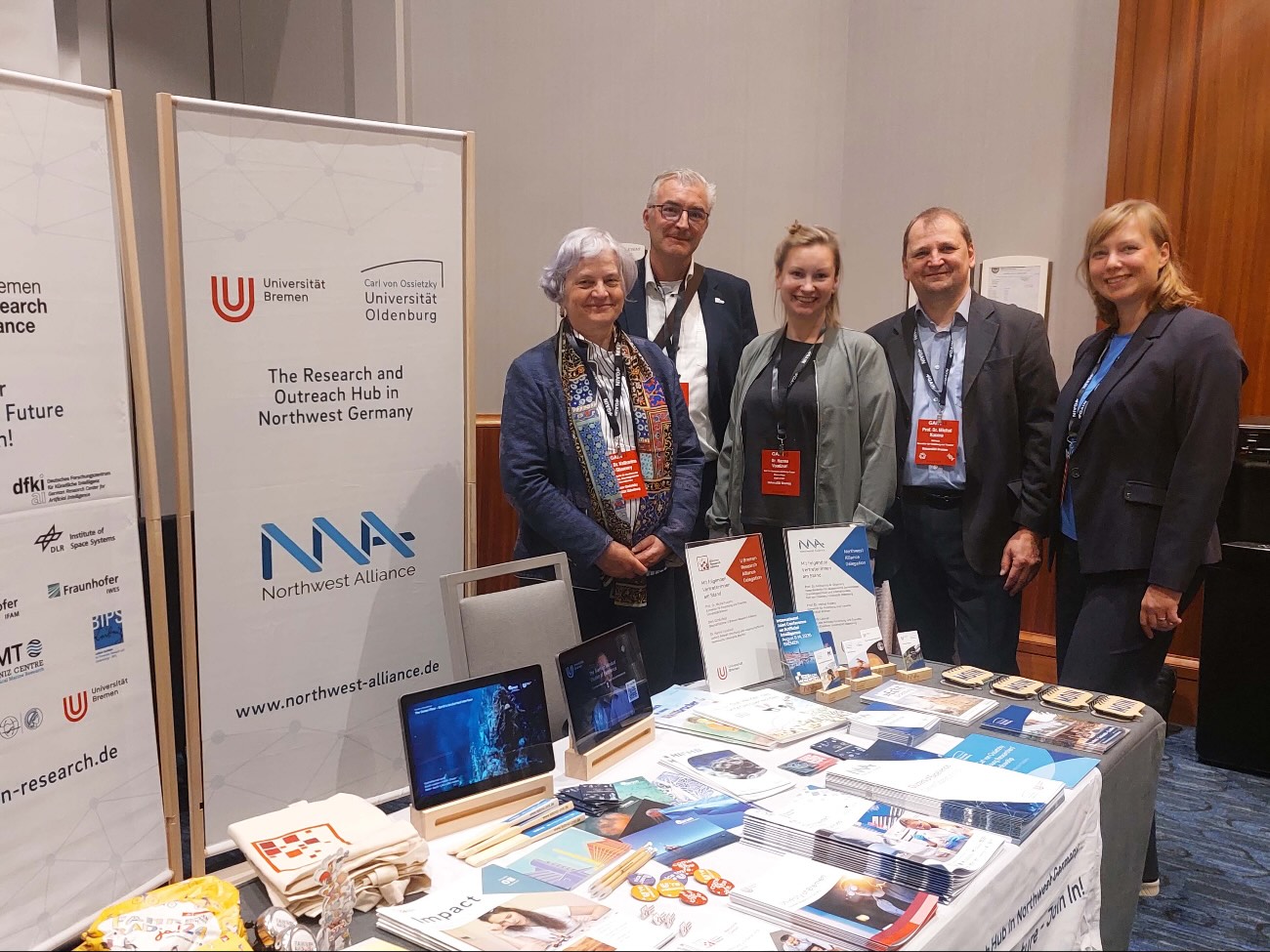
© Matej Meza / U Bremen Research Alliance
© Jens Lehmkühler / U Bremen Research Alliance
© U Bremen Research Allliance
© U Bremen Research Alliance
Within the alliance, highly diverse disciplines collaborate, from marine and climate research to artificial intelligence. How does this diversity give rise to new ideas and research approaches?
New ideas emerge primarily through networking, shared platforms, and sometimes pure serendipity. At our events and in our working groups, people from different disciplines and institutions meet and discover unexpected synergies. It is precisely at these interfaces where projects arise that no single institution could have realized on its own, neither on this scale nor at this pace. In areas such as artificial intelligence or research data management, joint working groups enable experts from different institutions to exchange ideas, consult with one another, and develop solutions together. Our Research Alliance Conferences also bring together researchers from various institutions to develop new research ideas.
“Together, more is simply possible” Derk Schönfeld
Looking back over the past ten years: which developments were especially significant?
A major milestone was the transition from a cooperation network in 2016 to a formal association in 2021. This step introduced new governance processes, a legal structure as a nonprofit association, and an independent budget, all of which significantly strengthened the alliance.
Another key development was the creation of joint programs such as Data Train, through which early expertise in research data management was consolidated and linked to national initiatives such as the NFDI. This has created a structure-building initiative that extends far beyond individual institutions. UBRA members are active in thirteen of the twenty-six NFDI consortia, including four in spokesperson or co-spokesperson roles. This groundwork helped Bremen to establish DataNord, the only data competence center in northern Germany funded by both federal and EU sources. These things really build on one another.
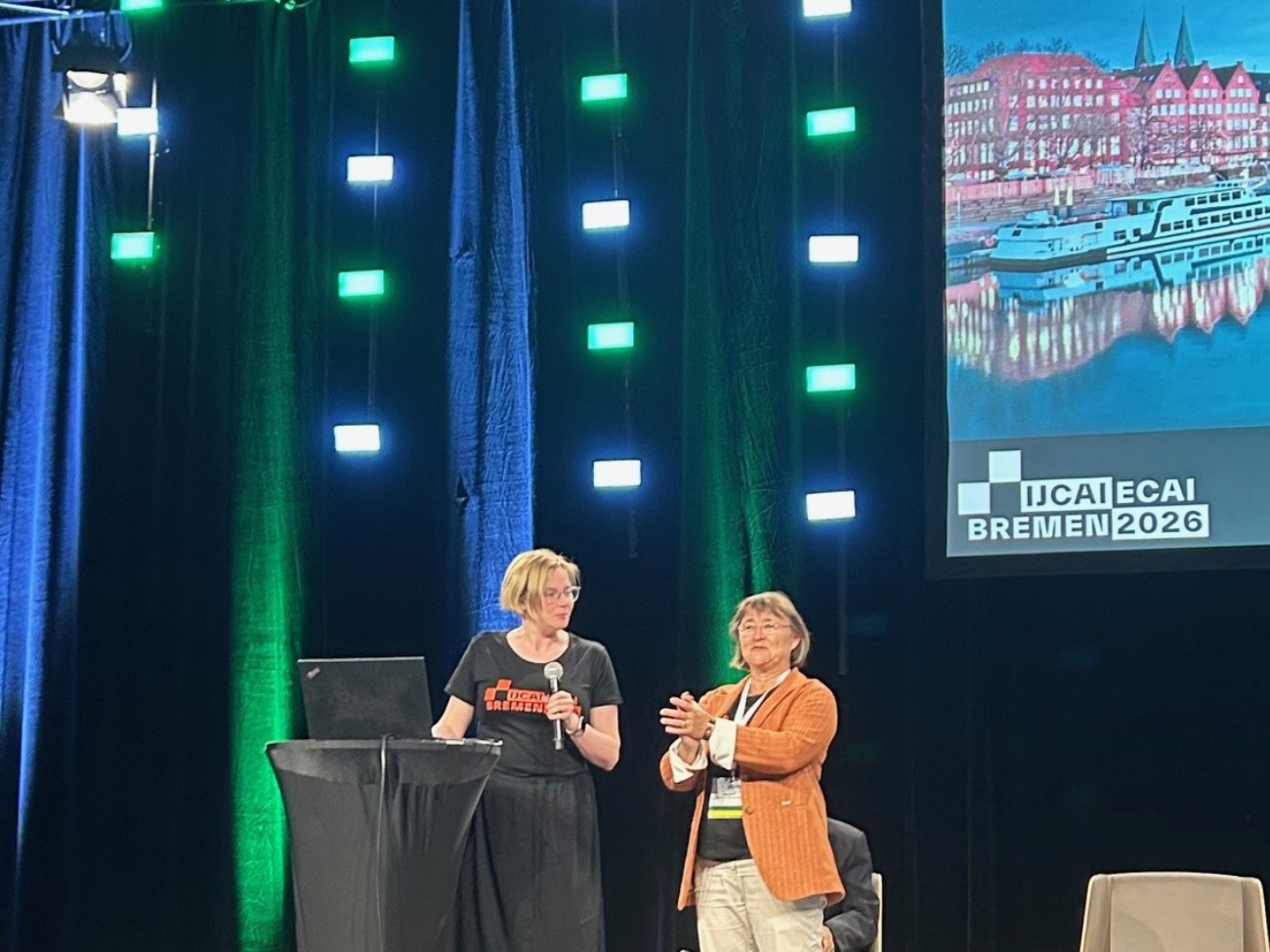
A particular highlight was the successful bid to host the International Joint Conference on Artificial Intelligence (IJCAI) 2026. The conference, which takes place in Europe only every four years, is returning to Germany for the first time in more than four decades. This is clear evidence of Bremen’s international recognition, not only through individual institutions, but as a coordinated and high-performing research ecosystem.
What challenges did the alliance face, and how were they addressed?
At the outset, one challenge was positioning the alliance as an umbrella structure, because it was not always immediately clear to everyone what added value it offered beyond existing structures. Especially in areas like science communication, the question arose as to why a joint level was needed in addition to the already existing communication units of the individual institutions. Through patience, transparency, and a focus on shared values and successes, this challenge was overcome. Today, UBRA fills an important gap. It highlights joint projects and collaborations, for example through the research magazine Impact, and in doing so strengthens the position of Bremen as a coordinated research ecosystem. Importantly, not every member has to participate in every initiative. What matters is that those who do participate see the benefits.
How does the alliance strengthen Bremen’s international visibility as a research hub?
UBRA presents Bremen’s research landscape as a unified whole. The alliance also coordinates with economic development agencies and political partners in order to advocate for the needs of the scientific community.
For example, UBRA and its members jointly represent Bremen at international events such as the GAIN Annual Conference in the United States, one of the key platforms for connecting with internationally mobile early-career researchers. The goal is to attract top talent to Bremen’s research institutions.
If we were to revisit this conversation in ten years, how would we recognize that the alliance has continued to thrive?
In ten years, not only UBRA but the research ecosystem as a whole will have changed significantly. More institutions in the northwest will be cooperating in a structured way. Our development is closely linked to the Northwest Alliance, the partnership between the University of Bremen and the University of Oldenburg. Strategic discussions are already taking place.
The culture of collaboration will be even more deeply rooted. Future-oriented fields such as research data management, data science, and artificial intelligence will be firmly established and will shape the region in the long term. Northwestern Germany will have gained significant national and international visibility and will be even more attractive to researchers from around the world. New high-profile areas will have emerged, identified, and developed jointly.
Our shared goal is to further establish Bremen and the Northwest as a visible model region for cooperative research.